Bangladesh and Estonian Cuisine: Exploring Culinary Cultures
Category : | Sub Category : Posted on 2025-11-03 22:25:23
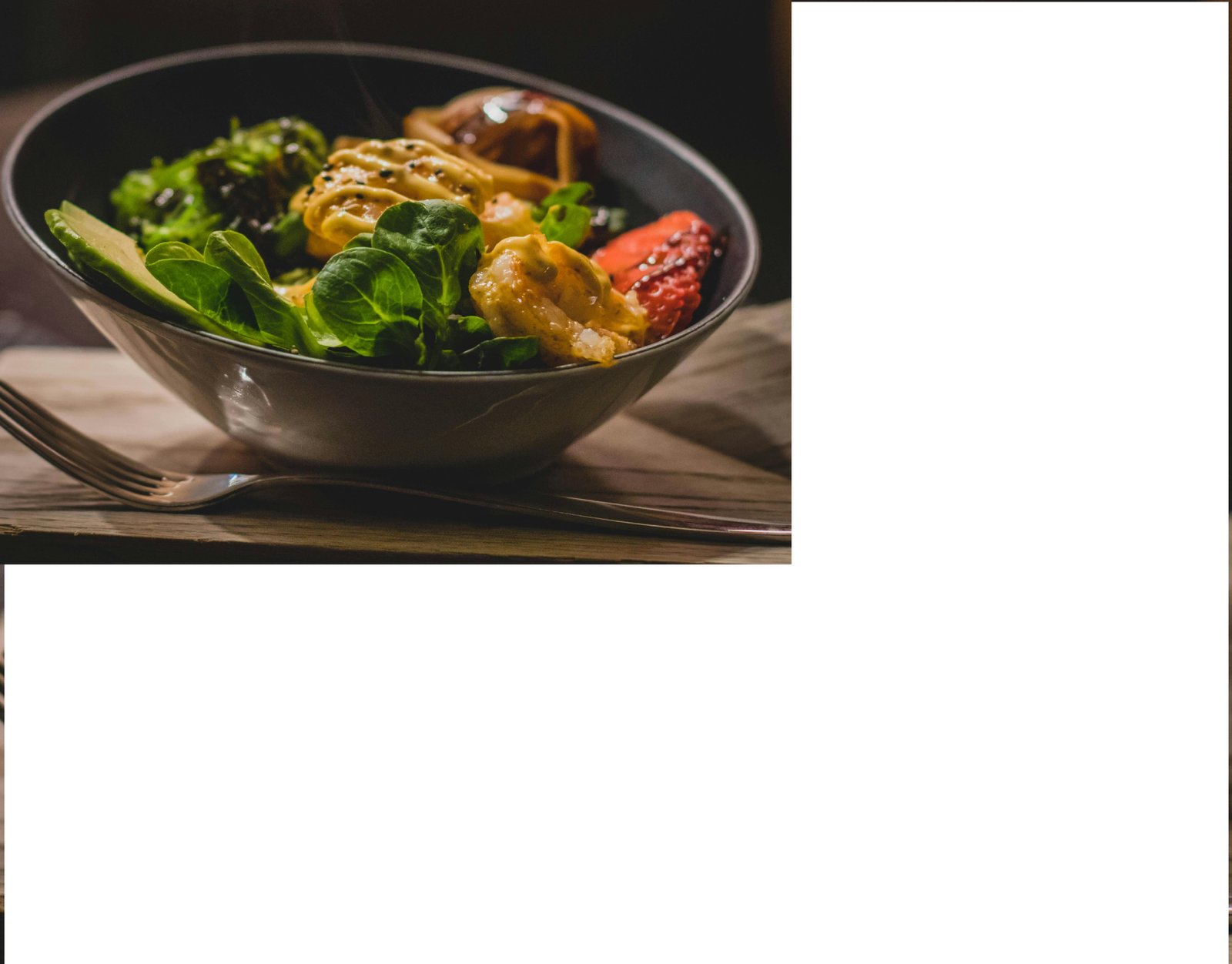
When it comes to culinary diversity, the world is a treasure trove of flavors and traditions waiting to be explored. Bangladesh and Estonia may seem like two countries with very different cultures and cuisines, but a closer look reveals a fascinating blend of flavors, spices, and cooking techniques that define the unique culinary identities of these nations. In this blog post, we will delve into the culinary landscapes of Bangladesh and Estonia, exploring the ingredients, dishes, and culinary traditions that make each cuisine so special. Bangladeshi Cuisine: A Symphony of Flavors Bangladeshi cuisine is a rich tapestry of flavors, influenced by a mix of Mughal, Persian, and Bengali culinary traditions. Rice is a staple ingredient in Bangladeshi cuisine, featuring prominently in dishes such as biryani, pulao, and khichuri. Lentils, vegetables, and fish are also key components of Bangladeshi dishes, reflecting the country's abundant agricultural resources and proximity to rivers and seas. One of the most popular dishes in Bangladesh is biryani, a fragrant rice dish cooked with a flavorful mix of spices, meat, and vegetables. Another beloved dish is panta bhat, fermented rice soaked in water, often served with fried fish and pickles. Sweets such as roshogolla (sweet cheese balls in syrup) and mishti (sweet treats made from milk and sugar) are an essential part of Bangladeshi cuisine, enjoyed during festivals and special occasions. Estonian Cuisine: A Celebration of Local Ingredients Estonian cuisine, on the other hand, is characterized by its focus on fresh, local ingredients and seasonal cooking. Potatoes, pork, fish, and dairy products are staples in Estonian cuisine, reflecting the country's agricultural heritage and maritime location. Rye bread, a dark and dense bread made from rye flour, is a ubiquitous element of Estonian meals, often served with butter, cheese, or cold cuts. One of the most iconic dishes in Estonian cuisine is herring with sour cream sauce, a traditional dish enjoyed during festive occasions. Kama, a unique Estonian grain mixture made from barley, rye, oat, and pea flour, is used to make a variety of dishes, including porridge and desserts. Estonians also have a strong tradition of foraging for wild berries, mushrooms, and herbs, which are incorporated into dishes such as jams, preserves, and herbal teas. Exploring the Culinary Connections Despite their geographical distance and cultural differences, Bangladesh and Estonia both share a deep appreciation for fresh, seasonal ingredients, traditional cooking methods, and a love for sharing meals with loved ones. Whether you're savoring a spicy bowl of Bangladeshi curry or enjoying a hearty Estonian stew, the culinary traditions of these nations offer a delicious window into their rich cultural heritage. Next time you're looking to expand your culinary horizons, why not try cooking a traditional Bangladeshi or Estonian dish? By exploring the flavors and ingredients of these diverse cuisines, you'll embark on a culinary journey that celebrates the beauty of global gastronomy. To gain a holistic understanding, refer to https://www.indianspecialty.com You can also Have a visit at https://www.bestindianfoods.com Take a deep dive into this topic by checking: https://www.deleci.com Check the link below: https://www.adriaticfood.com Get more at https://www.alienvegan.com visit: https://www.cfruits.com For a fresh perspective, give the following a read https://www.topinduction.com For the latest research, visit https://www.foxysweet.com To expand your knowledge, I recommend: https://www.eatnaturals.com visit: https://www.swiss-cuisine.com also for more https://www.huevo.org Want to learn more? Start with: https://www.digestible.org Looking for more information? Check out https://www.vacas.net click the following link for more information: https://www.cheffy.org also for more https://www.loseweighton.com If you're interested in this topic, I suggest reading https://www.stomachs.org You can find more about this subject in https://www.yemekleri.org If you are interested you can check the following website https://www.departements.org For more information: https://www.salting.org For an extensive perspective, read https://www.instan.net To learn more, take a look at: https://www.regionales.net To get a holistic view, consider https://www.gustar.net For more information check: https://www.estoniainfo.com
Leave a Comment:
SEARCH
Recent News
- Zurich, Switzerland is known for its multicultural atmosphere and diverse culinary scene. One of the lesser-known gems of Zurich's food scene is Sudanese cuisine. Sudanese cuisine is a reflection of the country's diverse cultural influences, blending Arabic, African, and Mediterranean flavors to create a unique and delicious culinary experience.
- Zurich, Switzerland: A Culinary Journey through Regional Cuisine
- Zurich, Switzerland is known for its stunning landscapes, rich history, and vibrant culture. However, another aspect of Zurich that shouldn't be overlooked is its diverse and delicious fast food scene. From traditional Swiss street food to international favorites, there is something to satisfy every craving in Zurich. Let's take a closer look at some of the popular fast food options you can find in this picturesque city.
- Zurich, Switzerland is known for its stunning natural beauty, vibrant arts scene, and strong economy. However, what many people may not know is that this dynamic city also offers a diverse culinary experience that includes delicacies from around the world. One such cuisine that has found a home in Zurich is Philippine cuisine.
- Zurich, Switzerland is known for its picturesque views, stunning architecture, and vibrant cultural scene. Located in the heart of Europe, Zurich offers a mix of traditional Swiss cuisine and international flavors. One particular cuisine that has been making waves in Zurich is Paraguayan cuisine.
- Zurich, Switzerland is a city known for its stunning views, picturesque streets, and vibrant culture. It is also a melting pot of diverse culinary influences, with a wide range of cuisines to choose from. One such cuisine that has made its mark in Zurich is Norwegian cuisine.
- Zurich, Switzerland, and Montreal, Canada, are two vibrant cities known for their distinct cultural characteristics. While Zurich is renowned for its picturesque landscapes, rich history, and high standard of living, Montreal is famous for its diverse population, vibrant arts scene, and mouth-watering cuisine. In this blog post, we will delve into the delectable culinary offerings of Montreal and explore how its unique food scene sets it apart from the culinary landscape of Zurich.
- Zurich, Switzerland is a vibrant city known for its stunning architecture, picturesque landscapes, and diverse culinary scene. While Swiss cuisine certainly holds a special place in the hearts of many locals and visitors, the city also boasts a variety of international dining options, including Latin American food.
READ MORE
10 months ago Category :

Zurich, Switzerland is known for its multicultural atmosphere and diverse culinary scene. One of the lesser-known gems of Zurich's food scene is Sudanese cuisine. Sudanese cuisine is a reflection of the country's diverse cultural influences, blending Arabic, African, and Mediterranean flavors to create a unique and delicious culinary experience.
Read More →10 months ago Category :

Zurich, Switzerland: A Culinary Journey through Regional Cuisine
Read More →10 months ago Category :

Zurich, Switzerland is known for its stunning landscapes, rich history, and vibrant culture. However, another aspect of Zurich that shouldn't be overlooked is its diverse and delicious fast food scene. From traditional Swiss street food to international favorites, there is something to satisfy every craving in Zurich. Let's take a closer look at some of the popular fast food options you can find in this picturesque city.
Read More →10 months ago Category :
