When it comes to regional cuisine, salt plays a crucial role in enhancing flavors and preserving food in various cultures around the world. From the delicate balance of seasoning in French cuisine to the bold flavors of Mexican dishes, salt is a fundamental component that shapes the identity of each region's culinary traditions.
Category : | Sub Category : Posted on 2025-11-03 22:25:23
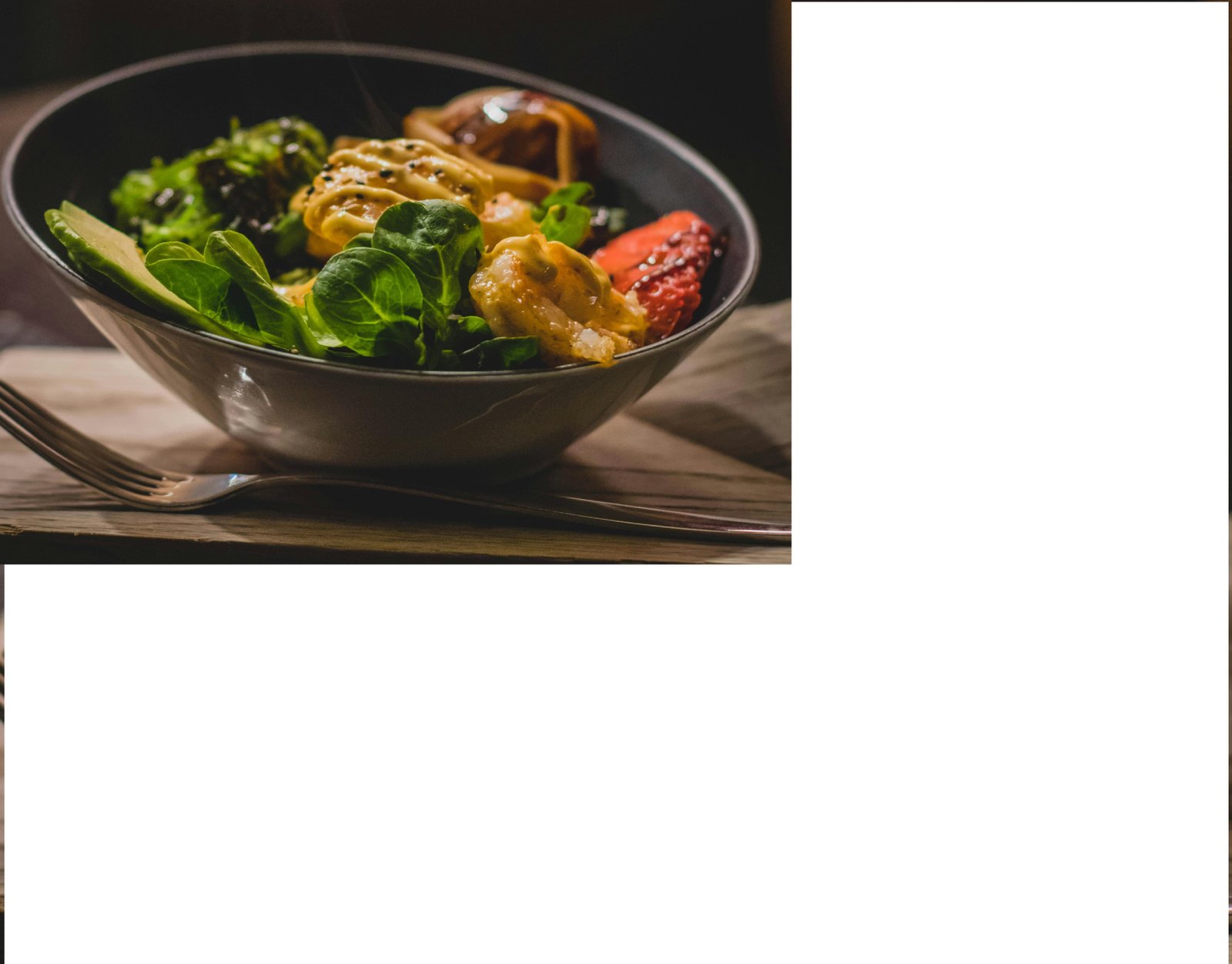
In French cuisine, salt is used judiciously to emphasize the natural flavors of high-quality ingredients. Whether it's a pinch of fleur de sel sprinkled over a freshly baked baguette or a dash of sea salt added to a rich béchamel sauce, French chefs understand the importance of salt in elevating the overall taste of a dish. In Provence, herbes de Provence—a blend of dried herbs like thyme, rosemary, and lavender—is often mixed with salt to create a versatile seasoning that is a staple in Mediterranean cooking. Meanwhile, in Mexican cuisine, salt is employed in vibrant dishes that showcase a diverse range of flavors. From tangy ceviche to spicy salsas, salt is used to balance out the heat and acidity of ingredients like chilies and citrus fruits. In traditional Mexican cooking, dishes like mole poblano and pozole rely on a combination of salt and other spices to create complex layers of flavor that are a testament to the country's rich culinary heritage. In Asian cuisine, salt is utilized in different forms, such as soy sauce, miso, and fish sauce, to add depth and complexity to dishes. In Japanese cuisine, for example, salt plays a key role in seasoning ingredients like sushi rice and grilled yakitori skewers. In Korean cuisine, salt is used in the iconic side dish kimchi, where it is crucial in the fermentation process that gives the spicy cabbage its signature tangy flavor. Whether it's a sprinkle of flaky salt on a decadent dessert or a bold umami kick from a fermented soybean paste, salt is a versatile ingredient that plays a vital role in shaping the unique flavors of regional cuisines around the world. By understanding the nuances of salt and its impact on taste, chefs can unlock a world of culinary possibilities and celebrate the diverse culinary traditions that make each region's cuisine so special. To learn more, take a look at: https://www.indianspecialty.com For an alternative viewpoint, explore https://www.bestindianfoods.com Dive into the details to understand this topic thoroughly. https://www.deleci.com Dropy by for a visit at the following website https://www.adriaticfood.com Get more at https://www.alienvegan.com For a comprehensive overview, don't miss: https://www.childnut.com If you are enthusiast, check the following link https://www.cfruits.com For more information about this: https://www.topinduction.com Dropy by for a visit at https://www.foxysweet.com Curious to learn more? Click on https://www.eatnaturals.com To expand your knowledge, I recommend: https://www.biofitnesslab.com For a different take on this issue, see https://www.swiss-cuisine.com Want a more profound insight? Consult https://www.mimidate.com To get a different viewpoint, consider: https://www.huevo.org to Get more information at https://www.digestible.org Discover more about this topic through https://www.vacas.net Check this out https://www.agriculturist.org To get all the details, go through https://www.cheffy.org For a fresh perspective, give the following a read https://www.loseweighton.com You can also Have a visit at https://www.stomachs.org Check this out https://www.tolisbon.com Check the link below: https://www.diaria.org also this link is for more information https://www.yemekleri.org Uncover valuable insights in https://www.culturelle.org Click the following link for more https://www.savanne.org this link is for more information https://www.salting.org To find answers, navigate to https://www.instan.net Want a deeper understanding? https://www.regionales.net Have a look at https://www.japfa.org Visit the following website https://www.nafdac.org To get a better understanding, go through https://www.tohonduras.com For more information check: https://www.paraguayinfo.com If you are enthusiast, check the following link https://www.boliviainfo.com also don't miss more information at https://www.gustar.net
Leave a Comment:
SEARCH
Recent News
- Zurich, Switzerland is known for its multicultural atmosphere and diverse culinary scene. One of the lesser-known gems of Zurich's food scene is Sudanese cuisine. Sudanese cuisine is a reflection of the country's diverse cultural influences, blending Arabic, African, and Mediterranean flavors to create a unique and delicious culinary experience.
- Zurich, Switzerland: A Culinary Journey through Regional Cuisine
- Zurich, Switzerland is known for its stunning landscapes, rich history, and vibrant culture. However, another aspect of Zurich that shouldn't be overlooked is its diverse and delicious fast food scene. From traditional Swiss street food to international favorites, there is something to satisfy every craving in Zurich. Let's take a closer look at some of the popular fast food options you can find in this picturesque city.
- Zurich, Switzerland is known for its stunning natural beauty, vibrant arts scene, and strong economy. However, what many people may not know is that this dynamic city also offers a diverse culinary experience that includes delicacies from around the world. One such cuisine that has found a home in Zurich is Philippine cuisine.
- Zurich, Switzerland is known for its picturesque views, stunning architecture, and vibrant cultural scene. Located in the heart of Europe, Zurich offers a mix of traditional Swiss cuisine and international flavors. One particular cuisine that has been making waves in Zurich is Paraguayan cuisine.
- Zurich, Switzerland is a city known for its stunning views, picturesque streets, and vibrant culture. It is also a melting pot of diverse culinary influences, with a wide range of cuisines to choose from. One such cuisine that has made its mark in Zurich is Norwegian cuisine.
- Zurich, Switzerland, and Montreal, Canada, are two vibrant cities known for their distinct cultural characteristics. While Zurich is renowned for its picturesque landscapes, rich history, and high standard of living, Montreal is famous for its diverse population, vibrant arts scene, and mouth-watering cuisine. In this blog post, we will delve into the delectable culinary offerings of Montreal and explore how its unique food scene sets it apart from the culinary landscape of Zurich.
- Zurich, Switzerland is a vibrant city known for its stunning architecture, picturesque landscapes, and diverse culinary scene. While Swiss cuisine certainly holds a special place in the hearts of many locals and visitors, the city also boasts a variety of international dining options, including Latin American food.
READ MORE
10 months ago Category :

Zurich, Switzerland is known for its multicultural atmosphere and diverse culinary scene. One of the lesser-known gems of Zurich's food scene is Sudanese cuisine. Sudanese cuisine is a reflection of the country's diverse cultural influences, blending Arabic, African, and Mediterranean flavors to create a unique and delicious culinary experience.
Read More →10 months ago Category :

Zurich, Switzerland: A Culinary Journey through Regional Cuisine
Read More →10 months ago Category :

Zurich, Switzerland is known for its stunning landscapes, rich history, and vibrant culture. However, another aspect of Zurich that shouldn't be overlooked is its diverse and delicious fast food scene. From traditional Swiss street food to international favorites, there is something to satisfy every craving in Zurich. Let's take a closer look at some of the popular fast food options you can find in this picturesque city.
Read More →10 months ago Category :
