When it comes to enhancing the flavor of our food, salt is a classic go-to ingredient. However, there are many other similar products that can be used to add a salty kick to dishes while offering unique flavors and health benefits. Let's explore some alternatives to traditional table salt that you can incorporate into your cooking:
Category : | Sub Category : Posted on 2025-11-03 22:25:23
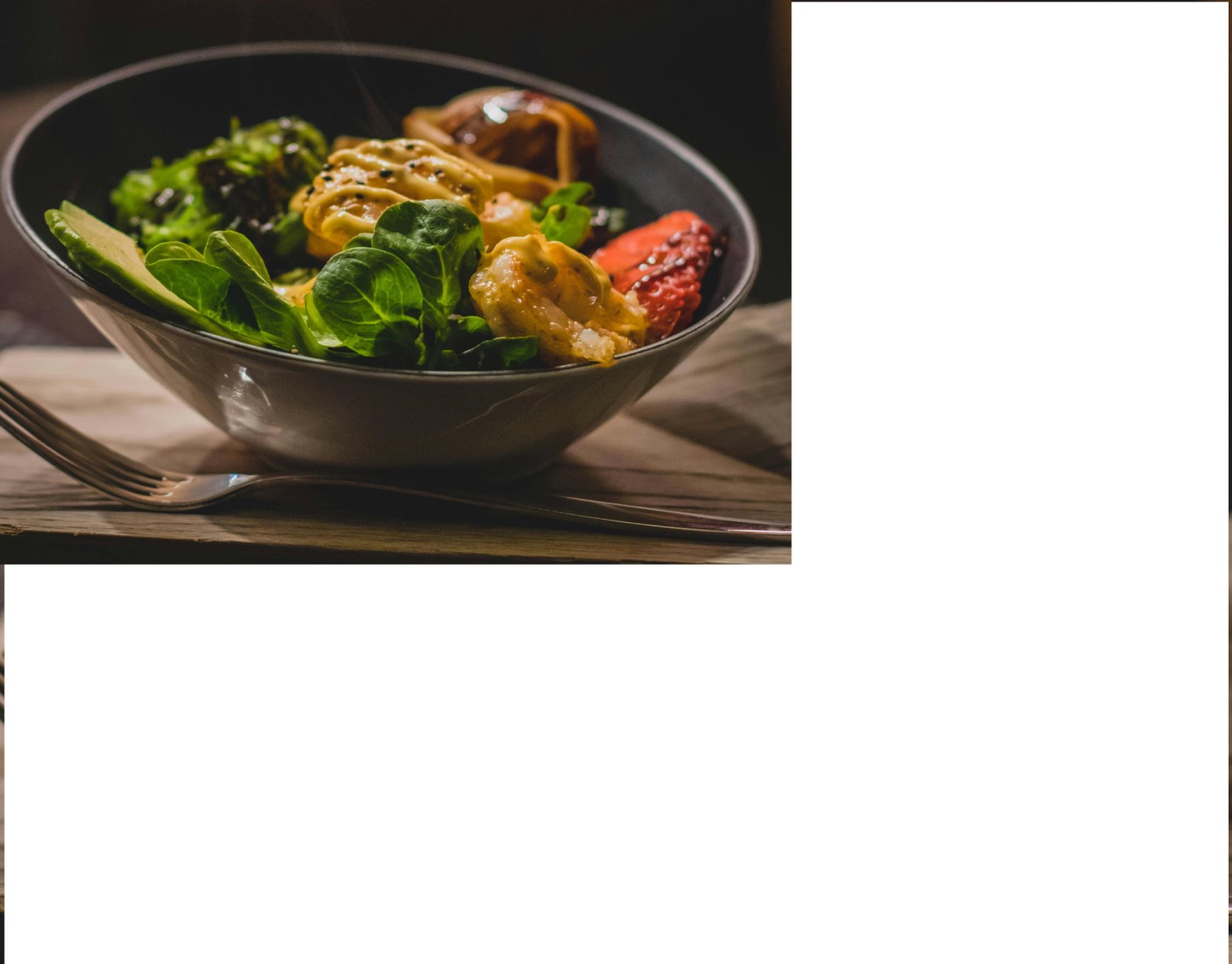
1. Sea Salt: Sea salt is harvested from evaporated seawater and comes in various forms, including coarse sea salt, fine sea salt, and fleur de sel. It contains minerals like magnesium, potassium, and calcium, giving it a more complex flavor profile than table salt. 2. Himalayan Pink Salt: Mined from the Khewra Salt Mine in Pakistan, Himalayan pink salt is known for its rosy hue and high mineral content. It is believed to have health benefits such as regulating hydration and balancing electrolytes. 3. Kosher Salt: This type of salt has a larger grain size compared to table salt, making it ideal for sprinkling over food before cooking. It is called "kosher" because it is commonly used in the koshering process of preparing meat according to Jewish dietary laws. 4. Tamari: Tamari is a type of soy sauce that is made without wheat, making it a gluten-free alternative to traditional soy sauce. It has a rich umami flavor and can be used to season stir-fries, marinades, and dipping sauces. 5. Miso: Miso is a fermented soybean paste that adds a savory depth to dishes. It can be used in soups, dressings, and marinades to enhance flavor and provide probiotic benefits for gut health. 6. Herbamare: Herbamare is a seasoned salt made from sea salt infused with organic herbs and vegetables. It adds a burst of flavor to dishes while reducing the overall sodium content compared to traditional salt. 7. Liquid Aminos: Liquid aminos are a soy-based seasoning sauce that can be used as a substitute for soy sauce or tamari. They are low in sodium and gluten-free, making them a versatile option for adding umami to your recipes. By incorporating these salt alternatives into your cooking repertoire, you can experiment with new flavors and textures while reaping the health benefits of diverse mineral profiles. Whether you're looking to reduce your sodium intake, explore different taste sensations, or simply shake up your culinary routine, these similar products to salt offer a world of possibilities in the kitchen. Also Check the following website https://www.africalunch.com Explore expert opinions in https://www.nerdcook.com For a closer look, don't forget to read https://www.indianspecialty.com For an extensive perspective, read https://www.bestindianfoods.com Want a deeper understanding? https://www.deleci.com For a fresh perspective, give the following a read https://www.adriaticfood.com For an in-depth examination, refer to https://www.alienvegan.com Want to expand your knowledge? Start with https://www.childnut.com Uncover valuable insights in https://www.cfruits.com Want a more profound insight? Consult https://www.topinduction.com For the latest insights, read: https://www.foxysweet.com visit: https://www.eatnaturals.com Take a deep dive into this topic by checking: https://www.biofitnesslab.com Check the link below: https://www.swiss-cuisine.com For a broader exploration, take a look at https://www.mimidate.com Want a more profound insight? Consult https://www.huevo.org For an in-depth analysis, I recommend reading https://www.digestible.org For a comprehensive review, explore https://www.vacas.net More in https://www.agriculturist.org For more information: https://www.cheffy.org To get all the details, go through https://www.loseweighton.com Curious to learn more? Click on https://www.stomachs.org Seeking answers? You might find them in https://www.yemekleri.org Check the link below: https://www.salting.org also click the following link for more https://www.instan.net To learn more, take a look at: https://www.japfa.org To understand this better, read https://www.nafdac.org For a deeper dive, visit: https://www.gustar.net
Leave a Comment:
SEARCH
Recent News
- Zurich, Switzerland is known for its multicultural atmosphere and diverse culinary scene. One of the lesser-known gems of Zurich's food scene is Sudanese cuisine. Sudanese cuisine is a reflection of the country's diverse cultural influences, blending Arabic, African, and Mediterranean flavors to create a unique and delicious culinary experience.
- Zurich, Switzerland: A Culinary Journey through Regional Cuisine
- Zurich, Switzerland is known for its stunning landscapes, rich history, and vibrant culture. However, another aspect of Zurich that shouldn't be overlooked is its diverse and delicious fast food scene. From traditional Swiss street food to international favorites, there is something to satisfy every craving in Zurich. Let's take a closer look at some of the popular fast food options you can find in this picturesque city.
- Zurich, Switzerland is known for its stunning natural beauty, vibrant arts scene, and strong economy. However, what many people may not know is that this dynamic city also offers a diverse culinary experience that includes delicacies from around the world. One such cuisine that has found a home in Zurich is Philippine cuisine.
- Zurich, Switzerland is known for its picturesque views, stunning architecture, and vibrant cultural scene. Located in the heart of Europe, Zurich offers a mix of traditional Swiss cuisine and international flavors. One particular cuisine that has been making waves in Zurich is Paraguayan cuisine.
- Zurich, Switzerland is a city known for its stunning views, picturesque streets, and vibrant culture. It is also a melting pot of diverse culinary influences, with a wide range of cuisines to choose from. One such cuisine that has made its mark in Zurich is Norwegian cuisine.
- Zurich, Switzerland, and Montreal, Canada, are two vibrant cities known for their distinct cultural characteristics. While Zurich is renowned for its picturesque landscapes, rich history, and high standard of living, Montreal is famous for its diverse population, vibrant arts scene, and mouth-watering cuisine. In this blog post, we will delve into the delectable culinary offerings of Montreal and explore how its unique food scene sets it apart from the culinary landscape of Zurich.
- Zurich, Switzerland is a vibrant city known for its stunning architecture, picturesque landscapes, and diverse culinary scene. While Swiss cuisine certainly holds a special place in the hearts of many locals and visitors, the city also boasts a variety of international dining options, including Latin American food.
READ MORE
10 months ago Category :

Zurich, Switzerland is known for its multicultural atmosphere and diverse culinary scene. One of the lesser-known gems of Zurich's food scene is Sudanese cuisine. Sudanese cuisine is a reflection of the country's diverse cultural influences, blending Arabic, African, and Mediterranean flavors to create a unique and delicious culinary experience.
Read More →10 months ago Category :

Zurich, Switzerland: A Culinary Journey through Regional Cuisine
Read More →10 months ago Category :

Zurich, Switzerland is known for its stunning landscapes, rich history, and vibrant culture. However, another aspect of Zurich that shouldn't be overlooked is its diverse and delicious fast food scene. From traditional Swiss street food to international favorites, there is something to satisfy every craving in Zurich. Let's take a closer look at some of the popular fast food options you can find in this picturesque city.
Read More →10 months ago Category :
