Turkish Cuisine vs. Norwegian Cuisine: A Culinary Comparison
Category : | Sub Category : Posted on 2025-11-03 22:25:23
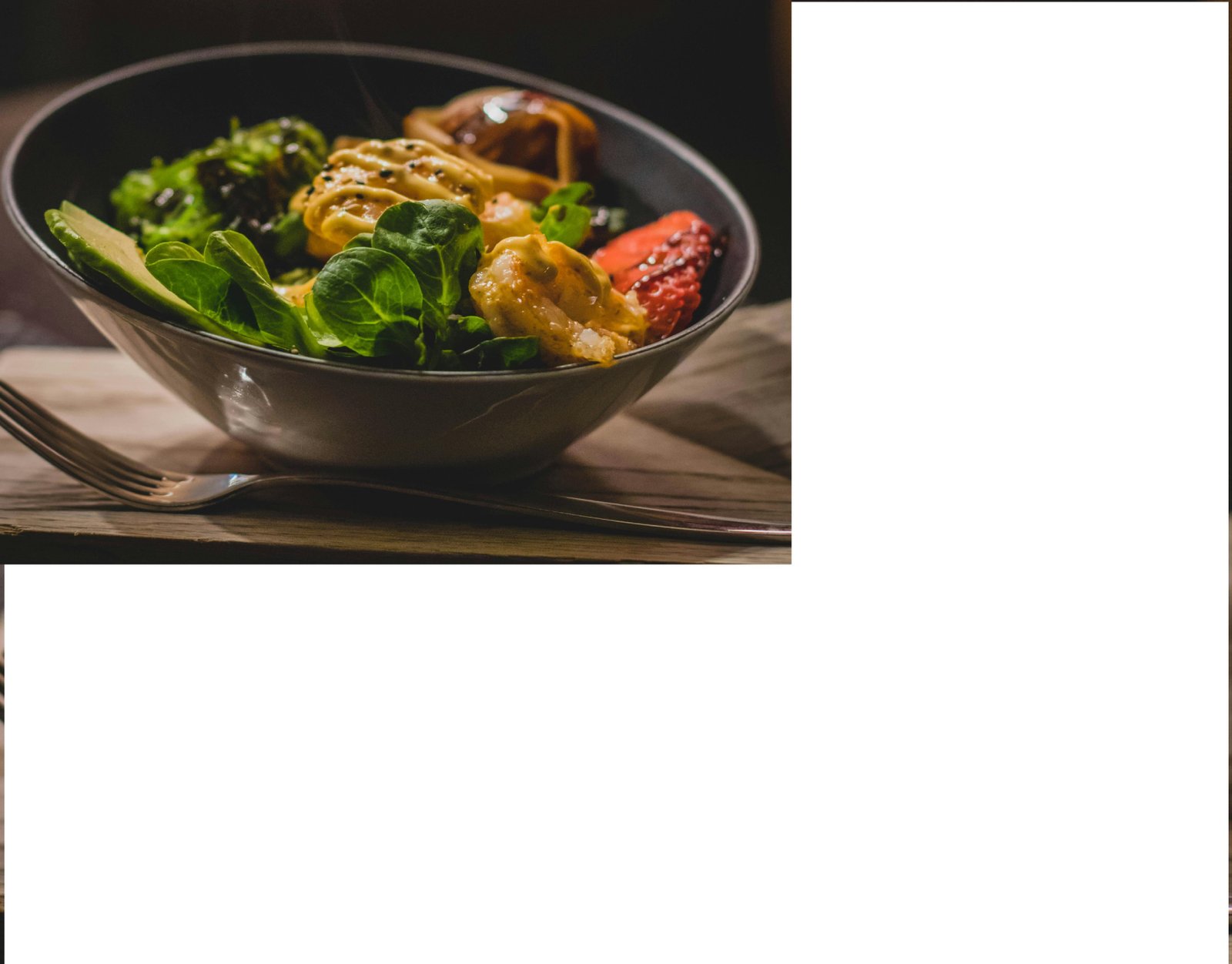
Food is an essential aspect of a country's culture, reflecting its history, geography, and traditions. Turkish cuisine and Norwegian cuisine are two fascinating culinary worlds that offer unique flavors and ingredients. Let's explore the differences and similarities between these two distinct food cultures. Turkish Cuisine: Turkish cuisine is known for its rich and diverse flavors, influenced by the Ottoman Empire and the various cultures that have inhabited the region over the centuries. Turkish cuisine is characterized by its use of fresh herbs, spices, olive oil, yogurt, and grains such as bulgur and rice. Some popular Turkish dishes include kebabs, dolma (stuffed vegetables), mezes (appetizers), and baklava (a sweet pastry made of layers of filo dough, nuts, and honey). One of the most famous dishes in Turkish cuisine is kebab, which comes in various forms such as Adana kebab, shish kebab, and doner kebab. Turkish cuisine also features a wide variety of mezes, which are small dishes served as appetizers or as part of a meal. Mezes can include items like hummus, eggplant salad, stuffed grape leaves, and more. Norwegian Cuisine: Norwegian cuisine, on the other hand, is influenced by the country's cold climate, rugged terrain, and coastal location. Fish and seafood play a significant role in Norwegian cuisine, with dishes like lutefisk (dried cod soaked in lye), rakfisk (fermented trout), and gravlax (cured salmon) being popular choices. Potatoes, berries, and various meats are also commonly used in Norwegian dishes. One iconic Norwegian dish is fårikål, a stew made with lamb, cabbage, and peppercorns, traditionally served in the fall. Another popular dish is raspeballer, which are potato dumplings served with meat and vegetables. Norwegian cuisine also includes sweet treats like krumkake (thin waffle cookies) and riskrem (rice pudding with whipped cream and berries). Differences and Similarities: While Turkish and Norwegian cuisine may seem worlds apart, they do share some similarities, such as a focus on fresh, local ingredients and a love for hearty, comforting dishes. Both cuisines make use of seasonal produce, herbs, and spices to create flavorful meals that reflect the country's culinary heritage. However, the two cuisines also have distinct characteristics that set them apart. Turkish cuisine is often characterized by its bold flavors and use of spices, while Norwegian cuisine tends to be more mild and straightforward in its seasoning. The use of ingredients like olive oil, yogurt, and eggplant sets Turkish cuisine apart from the seafood-centric dishes of Norwegian cuisine. In conclusion, Turkish cuisine and Norwegian cuisine offer a delightful culinary experience with their own unique flavors and traditions. Whether you're savoring a piping hot bowl of Turkish lentil soup or enjoying a feast of Norwegian fish and potatoes, both cuisines have something special to offer for food lovers around the world. for more https://www.bestindianfoods.com Seeking answers? You might find them in https://www.deleci.com To understand this better, read https://www.adriaticfood.com Uncover valuable insights in https://www.alienvegan.com also visit the following website https://www.cfruits.com For a detailed analysis, explore: https://www.topinduction.com To delve deeper into this subject, consider these articles: https://www.foxysweet.com Expand your knowledge by perusing https://www.eatnaturals.com For a comprehensive overview, don't miss: https://www.swiss-cuisine.com To delve deeper into this subject, consider these articles: https://www.cyprusinsider.com For more information: https://www.huevo.org For a different take on this issue, see https://www.digestible.org to Get more information at https://www.vacas.net Have a visit at https://www.istanbulrehberi.net For an in-depth examination, refer to https://www.cheffy.org For more information: https://www.loseweighton.com For a comprehensive overview, don't miss: https://www.stomachs.org Also Check the following website https://www.mumkun.org To get a different viewpoint, consider: https://www.tokazakhstan.com For a different angle, consider what the following has to say. https://www.yemekleri.org Explore expert opinions in https://www.salting.org For an in-depth examination, refer to https://www.ikamet.net Explore this subject further by checking out https://www.instan.net You can also check following website for more information about this subject: https://www.gustar.net Dive into the details to understand this topic thoroughly. https://www.nacionalismo.com
Leave a Comment:
SEARCH
Recent News
- Zurich, Switzerland is known for its multicultural atmosphere and diverse culinary scene. One of the lesser-known gems of Zurich's food scene is Sudanese cuisine. Sudanese cuisine is a reflection of the country's diverse cultural influences, blending Arabic, African, and Mediterranean flavors to create a unique and delicious culinary experience.
- Zurich, Switzerland: A Culinary Journey through Regional Cuisine
- Zurich, Switzerland is known for its stunning landscapes, rich history, and vibrant culture. However, another aspect of Zurich that shouldn't be overlooked is its diverse and delicious fast food scene. From traditional Swiss street food to international favorites, there is something to satisfy every craving in Zurich. Let's take a closer look at some of the popular fast food options you can find in this picturesque city.
- Zurich, Switzerland is known for its stunning natural beauty, vibrant arts scene, and strong economy. However, what many people may not know is that this dynamic city also offers a diverse culinary experience that includes delicacies from around the world. One such cuisine that has found a home in Zurich is Philippine cuisine.
- Zurich, Switzerland is known for its picturesque views, stunning architecture, and vibrant cultural scene. Located in the heart of Europe, Zurich offers a mix of traditional Swiss cuisine and international flavors. One particular cuisine that has been making waves in Zurich is Paraguayan cuisine.
- Zurich, Switzerland is a city known for its stunning views, picturesque streets, and vibrant culture. It is also a melting pot of diverse culinary influences, with a wide range of cuisines to choose from. One such cuisine that has made its mark in Zurich is Norwegian cuisine.
- Zurich, Switzerland, and Montreal, Canada, are two vibrant cities known for their distinct cultural characteristics. While Zurich is renowned for its picturesque landscapes, rich history, and high standard of living, Montreal is famous for its diverse population, vibrant arts scene, and mouth-watering cuisine. In this blog post, we will delve into the delectable culinary offerings of Montreal and explore how its unique food scene sets it apart from the culinary landscape of Zurich.
- Zurich, Switzerland is a vibrant city known for its stunning architecture, picturesque landscapes, and diverse culinary scene. While Swiss cuisine certainly holds a special place in the hearts of many locals and visitors, the city also boasts a variety of international dining options, including Latin American food.
READ MORE
10 months ago Category :

Zurich, Switzerland is known for its multicultural atmosphere and diverse culinary scene. One of the lesser-known gems of Zurich's food scene is Sudanese cuisine. Sudanese cuisine is a reflection of the country's diverse cultural influences, blending Arabic, African, and Mediterranean flavors to create a unique and delicious culinary experience.
Read More →10 months ago Category :

Zurich, Switzerland: A Culinary Journey through Regional Cuisine
Read More →10 months ago Category :

Zurich, Switzerland is known for its stunning landscapes, rich history, and vibrant culture. However, another aspect of Zurich that shouldn't be overlooked is its diverse and delicious fast food scene. From traditional Swiss street food to international favorites, there is something to satisfy every craving in Zurich. Let's take a closer look at some of the popular fast food options you can find in this picturesque city.
Read More →10 months ago Category :
